
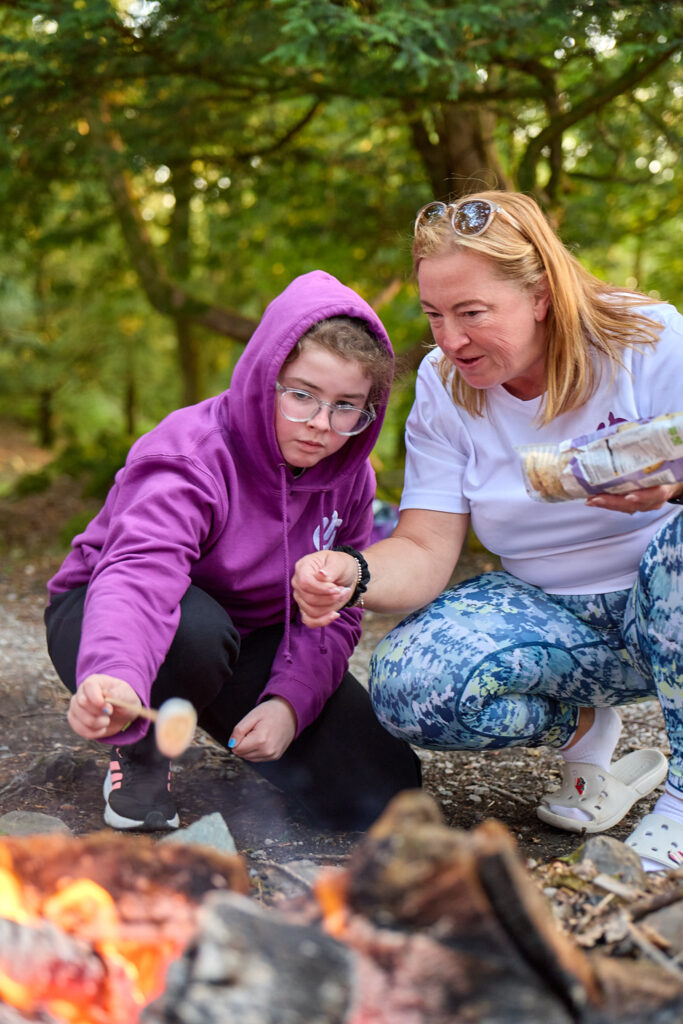
Good support is about much more than meeting educational needs. The most effective support helps children and young people with Usher syndrome access learning, build independence, develop friendships, and feel confident participating in every aspect of school life. These resources explore the practical adjustments, approaches and teamwork that can make a real difference.
The support available to children and young people with Usher syndrome will vary depending on their individual needs, age and educational setting. In these videos, Caireen Sutherland explores what effective support can look like in practice, the adjustments schools can make, and how professionals and families can work together to ensure children have the tools, confidence and opportunities they need to thrive.
Every child and young person with Usher syndrome is different, and support should reflect their individual strengths, needs and preferences. While these videos provide an overview of what good support can look like, practical strategies are most effective when they are tailored to the individual and reviewed regularly as needs change.
Ready to explore specific strategies and adjustments?
Visit our Strategies and Support page, where you'll find practical guidance for professionals and families, alongside insights from children and young people with Usher syndrome about what helps them most.
Stay in touch
We send out emails to keep people on our mailing list up to date with events, new resources and other services which we think are relevant to our community.